
SOLUTIONS & SERVICES
Let the equipment choose and return to real production needs.
Food types, processing conditions, target production and space can influence the direction of discussions about equipment and processes. The following items serve as a preliminary understanding; actual rules and configurations still need to be assessed further according to your needs.
Provide demand dataSERVICE APPROACH
It's not just about providing the equipment, it's about helping with the process.
Prior needs discussion
In addition to this, there is a need to learn about food, how to treat it, what to do, what to do, what to do, what to do, what to do.
On-site/figure assessment
Collapse the location of the device, its operating lines and the items that need to be verified, depending on the condition or image of the site.
Equipment and Configuration Plans
The cold section is being discussed with the previous and later stages to form a communicable direction.
Production and exchange
This post is part of our special coverage Global Development 2011.
Use & Maintenance Discussion
This is the first time that we have been able to get information on the operation, maintenance or equipment.
EQUIPMENT
Main equipment and planning direction
The website lists the main service directions; the actual type of service, the configuration and the way in which it is configured must go back to the product, capacity and conditions on the ground.
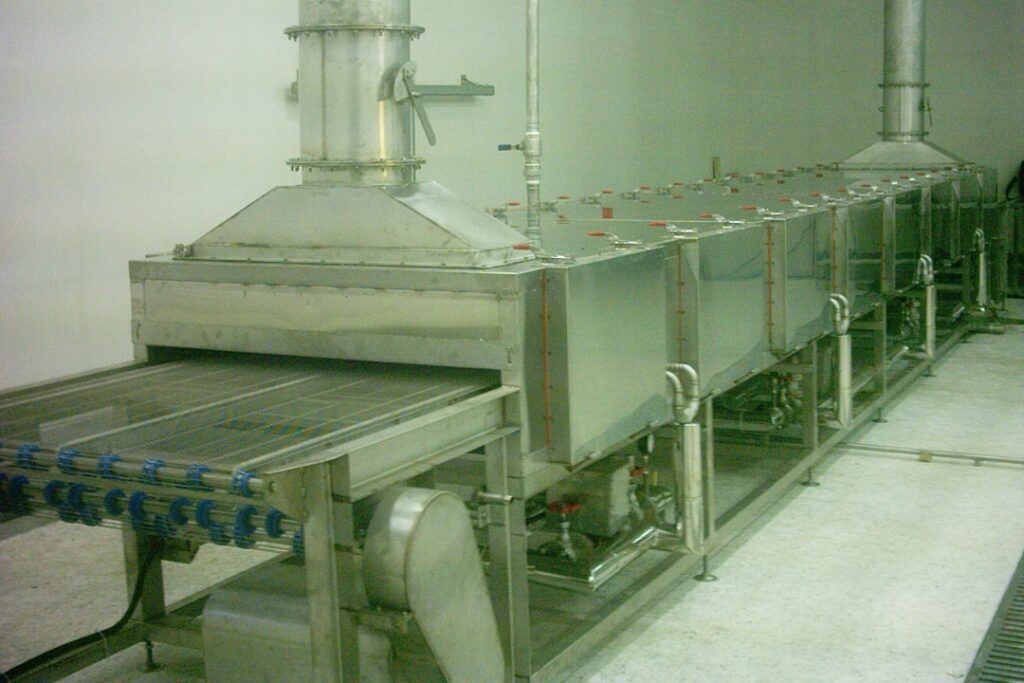
01 / CONTINUOUS COOKER
Tunnel Steamer
It's a food program that needs to be processed continuously. Heat conditions, processing time, mode of delivery, and back-to-back link should be further identified according to product characteristics and existing product lines.
The proposal provides: food type and size, pre-processing requirements, target capacity, pre- and post-departure equipment, and live images.
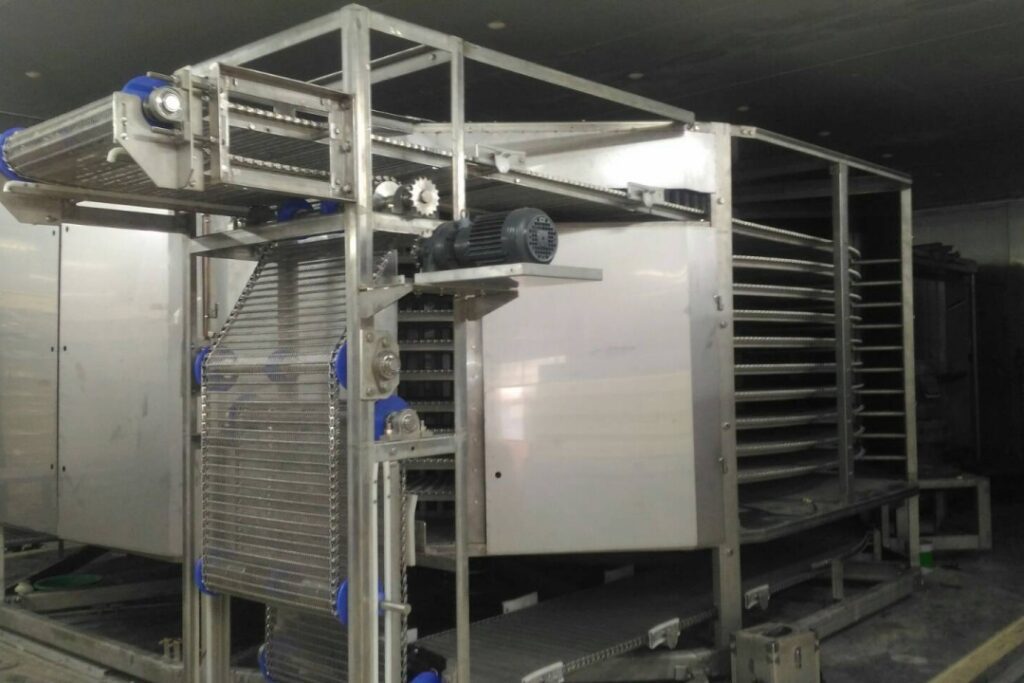
02 / SINGLE TOWER IQF
Single Tower IQF
One of the options for arranging cold paths in limited spaces. Frozen hours, modes of delivery, product accumulation and clean-up maintenance requirements affect subsequent configurations.
The proposal provides: food type, feed temperature, production energy target, available spatial sizes and kinetics.
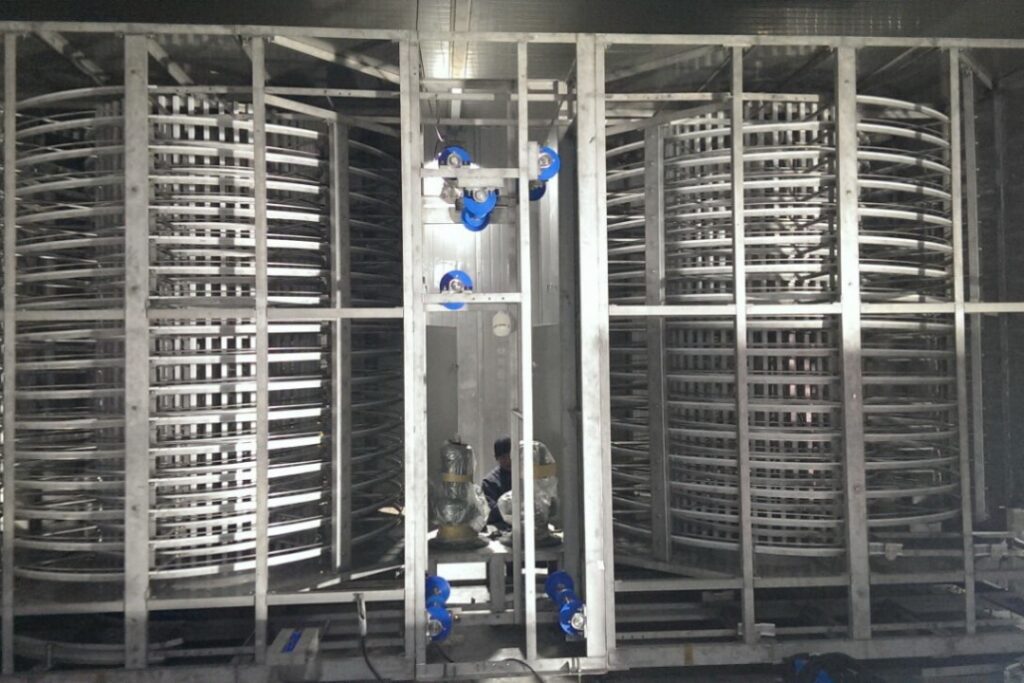
03 / DOUBLE TOWER IQF
Double Tower IQF
A multi-layered freeze program based on volume and line demand. The physical form of the tower, the delivery path and the spatial configuration need to be confirmed with food conditions and the full-line rhythm.
The proposal provides: product size, target volume, time required to freeze, field level and height.
BEFORE WE START
Before we start planning, prepare this information.
01
Food and product status
Raw material/output type, size, packaging and pre-treatment.
02
Production and rhythm
Targets, classes, feed methods, and speed ahead.
03
Field Condition
The site is flat, available heights, operating lines, available equipment and public utilities.
PROJECT FLOW
There's a way to look at each step, from demand to exchange.
Request Collapse
This is the first time that we can identify the product, its capacity and its use.
Field evaluation
It's not like we're going to be able to do this.
Configure Discussion
This post is part of our special coverage Global Voices 2011.
Production and construction
This is the first time that the project has been launched.
Handover support
Helps with the day-to-day use of the caps.
FAQ
FAQ
We don't have a complete picture yet. Can we ask first?
Yes. Other data can be added to subsequent discussions.
Are there fixed models for the equipment?
The website lists the devices as the main service directions. The actual equipment and configuration will be discussed according to food, capacity, space and the front and back stages.
START A CONVERSATION
First, we need to get the information on what's going on.
It provides food types, target production, established processes, or live images, and the roof will help to organize the appropriate discussion.

